
The Sweet Science of 60% Cocoa Chocolate: Why This Percentage Changes Everything
Ever wondered why some chocolate bars proudly display "60%" on their label while others boast 70%, 85%, or even 99%? Here's the thing: that number isn't just marketing fluff: it's the secret code that unlocks everything about how your chocolate will taste, feel, and even affect your body. And if you've been sleeping on 60% cocoa chocolate, you're missing out on what many craft chocolatiers call the "Goldilocks zone" of chocolate making.
Let me break down why 60% is where the magic happens.
What Does 60% Actually Mean?
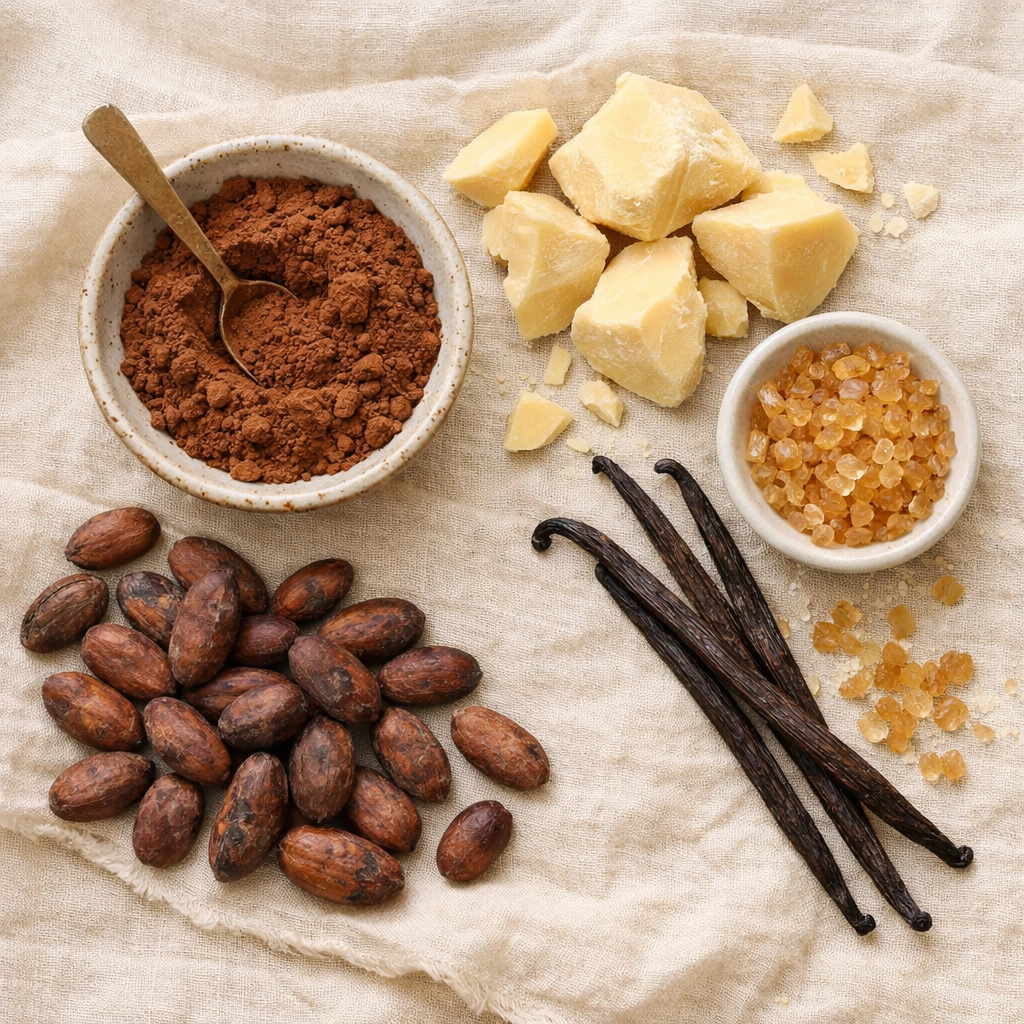
Before we dive into the sweet science, let's get clear on what we're talking about. When you see "60% cocoa" on a chocolate bar, that percentage tells you exactly how much of the product comes directly from the cacao plant: specifically cocoa solids and cocoa butter. The remaining 40%? That's your sugar, maybe some vanilla, possibly lecithin, and other ingredients that round out the flavor profile.
Think of it this way: at 60%, you're getting a genuine chocolate experience where cacao is still the star of the show, but there's enough sugar and supporting ingredients to create balance. It's not a supporting actor anymore: it's the lead role with a fantastic ensemble cast.
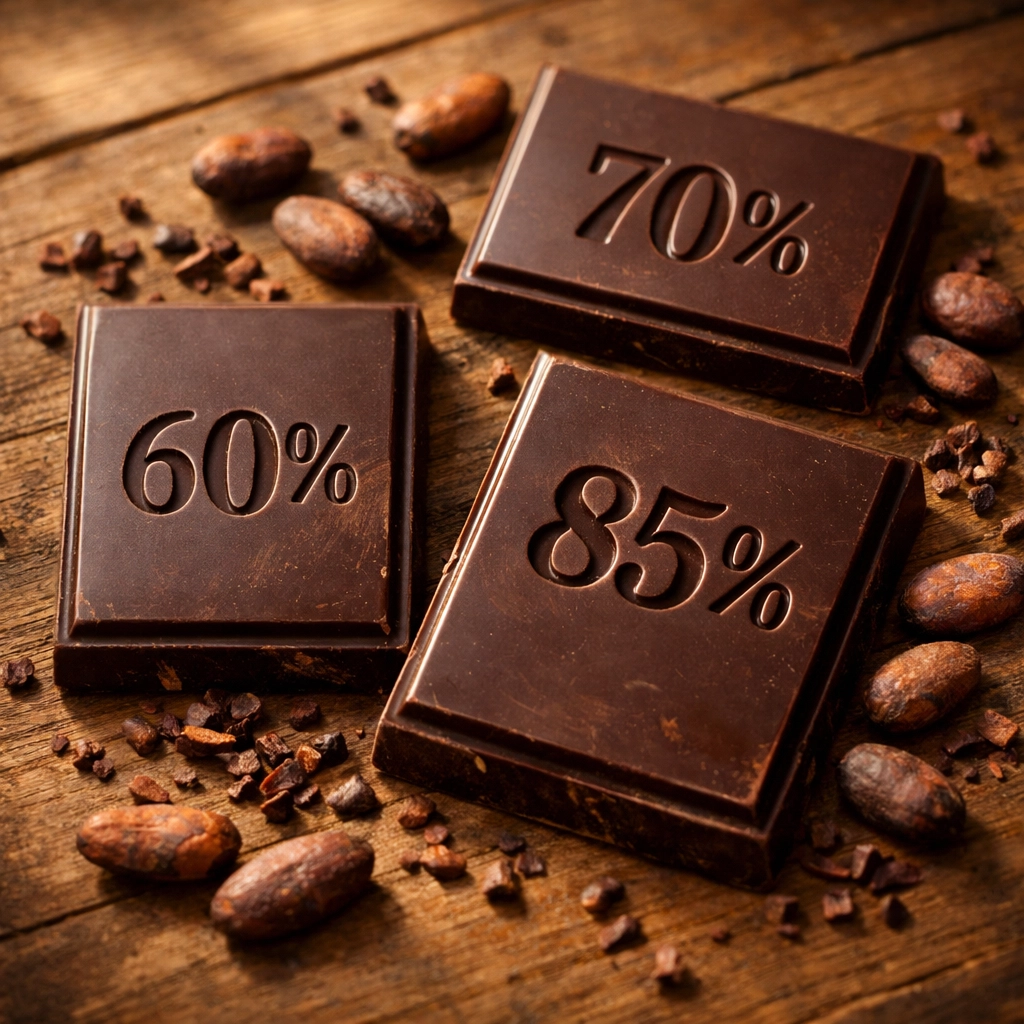
The Tipping Point: Why 60% Changes Everything
Here's where things get fascinating. In the world of chocolate science, 60% represents a critical threshold where several factors align perfectly:
The Flavor Balance Sweet Spot
Below 60%, you're venturing into milk chocolate territory or sweeter dark chocolates where sugar dominates. Above 60%, you're moving toward intensely bitter, acquired-taste chocolates that can overwhelm the palate. But right at 60%? You get the rich, complex notes of premium cacao: those fruity, earthy, sometimes nutty flavors: without the aggressive bitterness that makes some people scrunch up their faces.
The Health Benefits Kick In
This is where your body starts saying "thank you!" At 60% cocoa content, you're getting a substantial dose of those beneficial compounds everyone talks about: flavanols, polyphenols, and theobromine. These plant-based nutrients support cardiovascular health, provide antioxidants, and even give you that subtle mood boost chocolate is famous for. It's like crossing into the zone where chocolate transforms from "treat" to "functional food" without sacrificing enjoyment.
The Versatility Factor
Want to know a secret? Professional chocolatiers LOVE working with 60% cocoa chocolate. Why? Because it plays well with others. You can pair it with almost any flavor: salted caramel, orange, chili, coffee, mint: and it won't fight back. The cacao provides depth and structure while leaving room for your creative additions to shine.
The Science Behind the Percentage
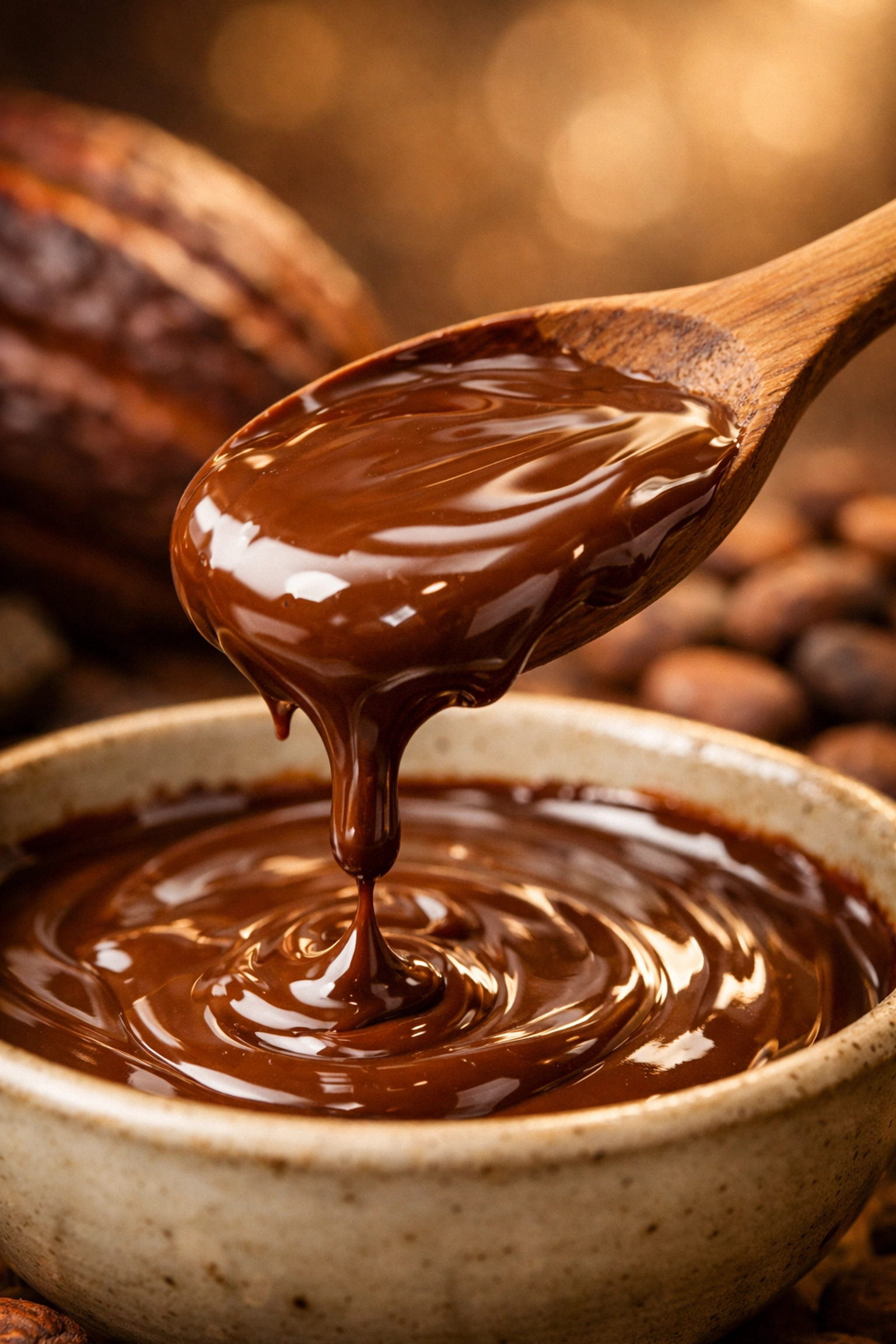
Let's talk chemistry for a minute (don't worry, I'll keep it fun). When you're working with 60% cocoa chocolate, you're dealing with a specific ratio of cocoa solids, cocoa butter, and sugar that creates unique textural and flavor properties.
Cocoa Butter Content
At this percentage, you typically have enough cocoa butter to give you that signature melt-in-your-mouth texture without being too fatty. Cocoa butter melts at body temperature, which is why quality chocolate literally dissolves on your tongue. Too little, and you get a waxy texture. Too much, and it can feel greasy. Sixty percent? Just right.
Particle Size and Mouthfeel
The balance of ingredients at 60% allows for optimal conching: that's the process of refining chocolate to reduce particle size and develop smooth texture. With this ratio, you can achieve incredibly silky chocolate that coats your palate beautifully without grittiness or chalkiness.
Sugar Integration
That 40% non-cocoa portion isn't just sitting there doing nothing. Sugar plays a crucial role in reducing bitterness, enhancing aromatic compounds, and creating a balanced sweetness that makes the chocolate approachable. It's enough sweetness to make the chocolate craveable without masking the complexity of the cacao itself.
Crafting With 60%: A Maker's Perspective
If you're thinking about making your own chocolate or scaling up your artisan business, understanding the 60% sweet spot is crucial. This percentage gives you the most flexibility in your formulations while maintaining a premium product that appeals to broad consumer tastes.
Want to experiment with your own recipes? Our Formulation Tool lets you play with percentages, calculate ingredient ratios, and see how different cocoa contents affect your final product. It's like having a chocolate laboratory right at your fingertips!
The Taste Profile: What to Expect
When you bite into a well-crafted 60% dark chocolate, here's what your taste buds should experience:
Initial Impact: A gentle bitterness that announces "this is real chocolate" without overwhelming your palate. You might detect fruity notes: think red berries or citrus: depending on the origin of the beans.
Mid-Palate: As the chocolate melts, sweetness comes forward to balance the cacao. You'll notice complexity: maybe nuttiness, maybe floral notes, perhaps a hint of spice. This is where terroir shows up, the unique characteristics of where the cacao was grown.
Finish: A lingering chocolate flavor that doesn't quit too quickly but also doesn't overstay its welcome. No waxy aftertaste, no cloying sweetness, just clean chocolate satisfaction.
Scaling and B2B Applications
For those of you looking at the commercial side: whether you're a café owner wanting to create signature drinks, a bakery developing chocolate desserts, or an artisan scaling up production: 60% cocoa chocolate is your workhorse.
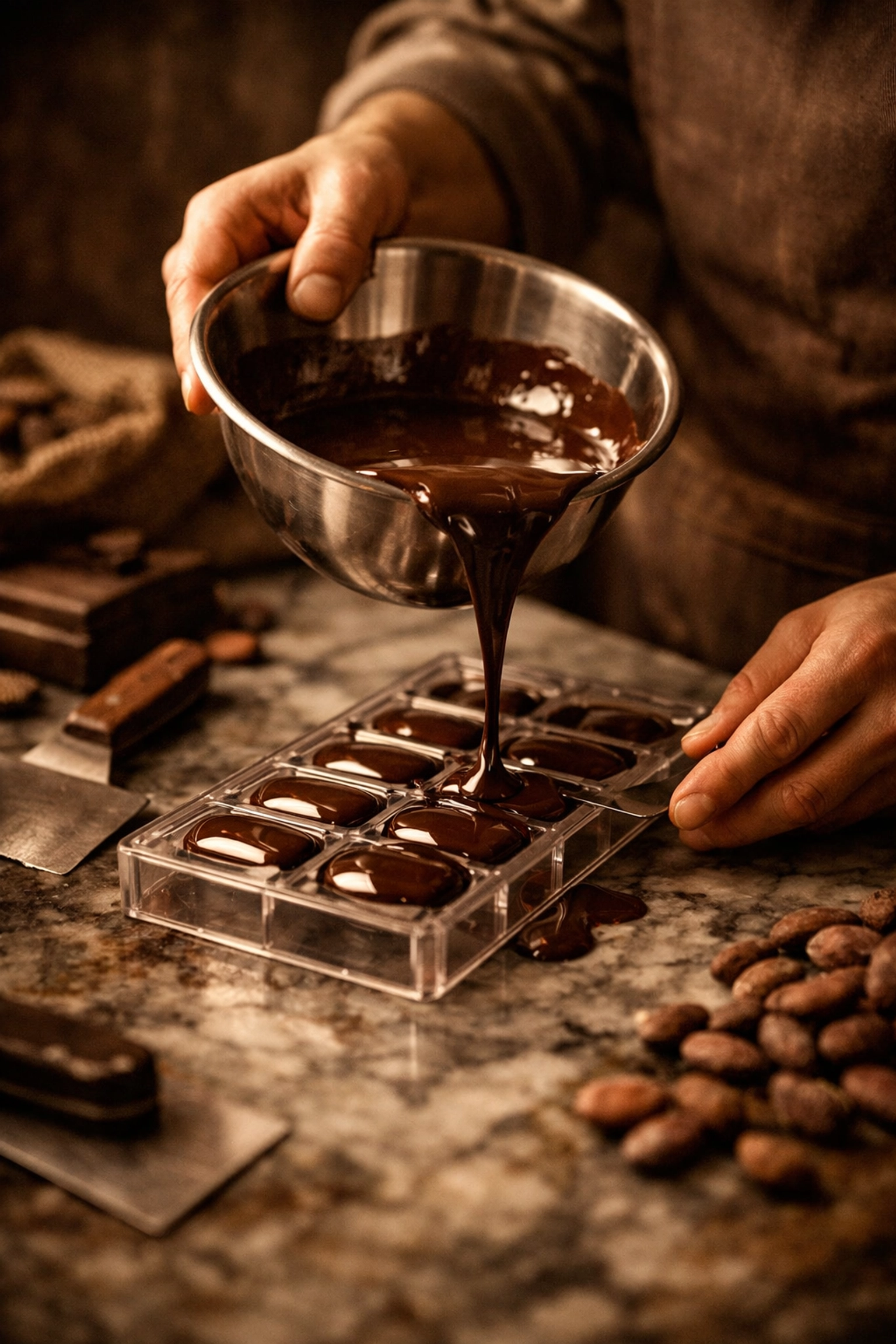
It's the percentage that gives you consistency across applications. Use it for ganache, and you get stable emulsions that pipe beautifully. Temper it for molded chocolates, and you achieve that satisfying snap. Melt it into drinks, and it provides richness without overwhelming other ingredients.
FactoryLink is specifically designed for makers who are ready to scale. Whether you're sourcing equipment for production or calculating costs for wholesale operations, having a solid understanding of your base chocolate percentage: like 60%: makes planning infinitely easier.
From Bean Selection to Bar: The 60% Journey
Creating exceptional 60% chocolate starts way before the percentage calculation. It begins with bean selection. Since 60% of your bar IS the cacao, quality matters tremendously. Single-origin beans from Ecuador will create a completely different 60% chocolate than beans from Madagascar, even with identical formulations.
The roasting profile, conching time, and aging process all contribute to how that 60% expresses itself. This is where craft meets science, where percentages meet passion.
Your Next Steps in the Chocolate Journey
Ready to dive deeper into the world of chocolate percentages and craft making? Create your free Cocoa Craft account today and unlock access to our complete suite of professional tools:
- Recipe Builder: Calculate precise formulations for any percentage chocolate
- Digital Workshop Library: Learn techniques from roasting to tempering
- Community Forums: Connect with other chocolate makers and enthusiasts
- FactoryLink Resources: Access scaling guides and equipment recommendations
Whether you're a home hobbyist curious about the science or a professional looking to refine your craft, understanding why 60% cocoa chocolate represents such a pivotal sweet spot will transform how you think about chocolate making.
The beautiful thing about chocolate? The more you learn, the more there is to discover. And at 60% cocoa, you're standing right at the intersection of science, craft, and pure delicious joy.
Login to explore our full Chocolate Lab and start experimenting with your own formulations today. Because understanding the numbers is just the beginning: the real magic happens when you put that knowledge into practice.
Written by Cocoa Craft | Passionate about the science and art of exceptional chocolate