
Lab-Grown Chocolate: Gimmick or the Future of Sustainable Bean-to-Bar?
Have you ever wondered if your favorite chocolate bar could be grown in a lab instead of harvested from a tree? It sounds like science fiction, but lab-grown chocolate is already here: and it's sparking some seriously heated debates in our craft chocolate community.
Is this revolutionary technology the answer to chocolate's sustainability crisis? Or just another flashy trend that'll fizzle out faster than you can say "bean-to-bar"?
Let's dive deep into this sweet controversy and separate the facts from the hype.
What Exactly IS Lab-Grown Chocolate?
Before we get into the nitty-gritty, let's clear up what we're actually talking about here. Lab-grown chocolate isn't some artificial concoction cooked up in test tubes: it starts with real cocoa beans, just like traditional chocolate!
Here's the fascinating process: Scientists extract living cells from actual cocoa beans, focusing on the ones with the most flavor potential. These cells get placed in specialized bioreactors filled with a nutrient-rich broth of sugar, vitamins, and minerals. Think of it as a luxury spa treatment for cocoa cells!
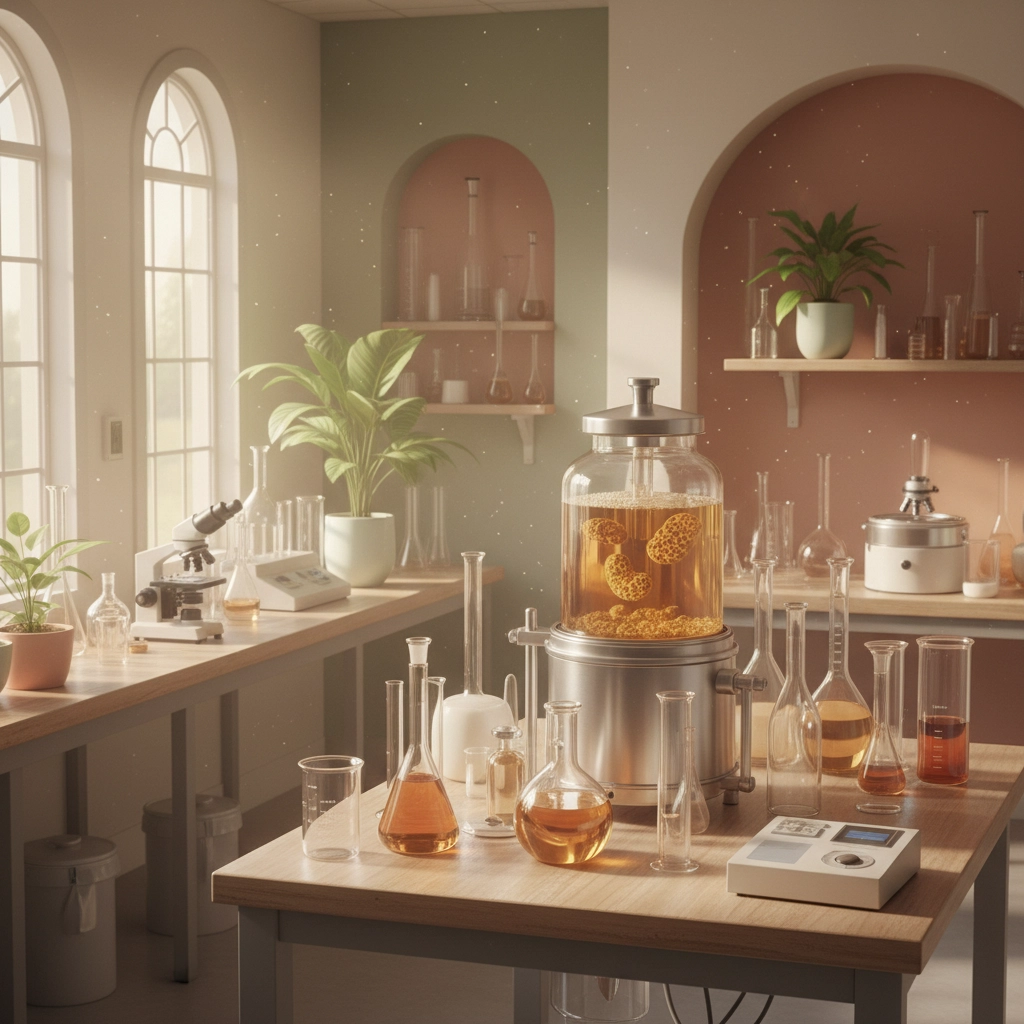
After just a few weeks (compared to months for traditional farming), a callus: kind of like a scab-like material: develops on the cocoa bean surface. This callus then gets transferred to a suspension culture in the bioreactor where it multiplies rapidly. The resulting material is dried, roasted, and ground into powder that can be mixed with other ingredients to create actual chocolate bars.
The coolest part? This multiplication process can theoretically continue indefinitely from a single initial sample. It's like having a sourdough starter, but for chocolate!
The Sustainability Argument: Not Just Marketing Fluff
Let's be real: traditional cacao farming has some serious environmental baggage. We're talking about deforestation, habitat loss, massive greenhouse gas emissions, and let's not forget the heartbreaking child labor issues that plague parts of the industry.
Lab-grown cocoa production flips this script entirely. The carbon footprint? Dramatically reduced. Geographic limitations? Gone. Ethical concerns about labor practices? Eliminated.
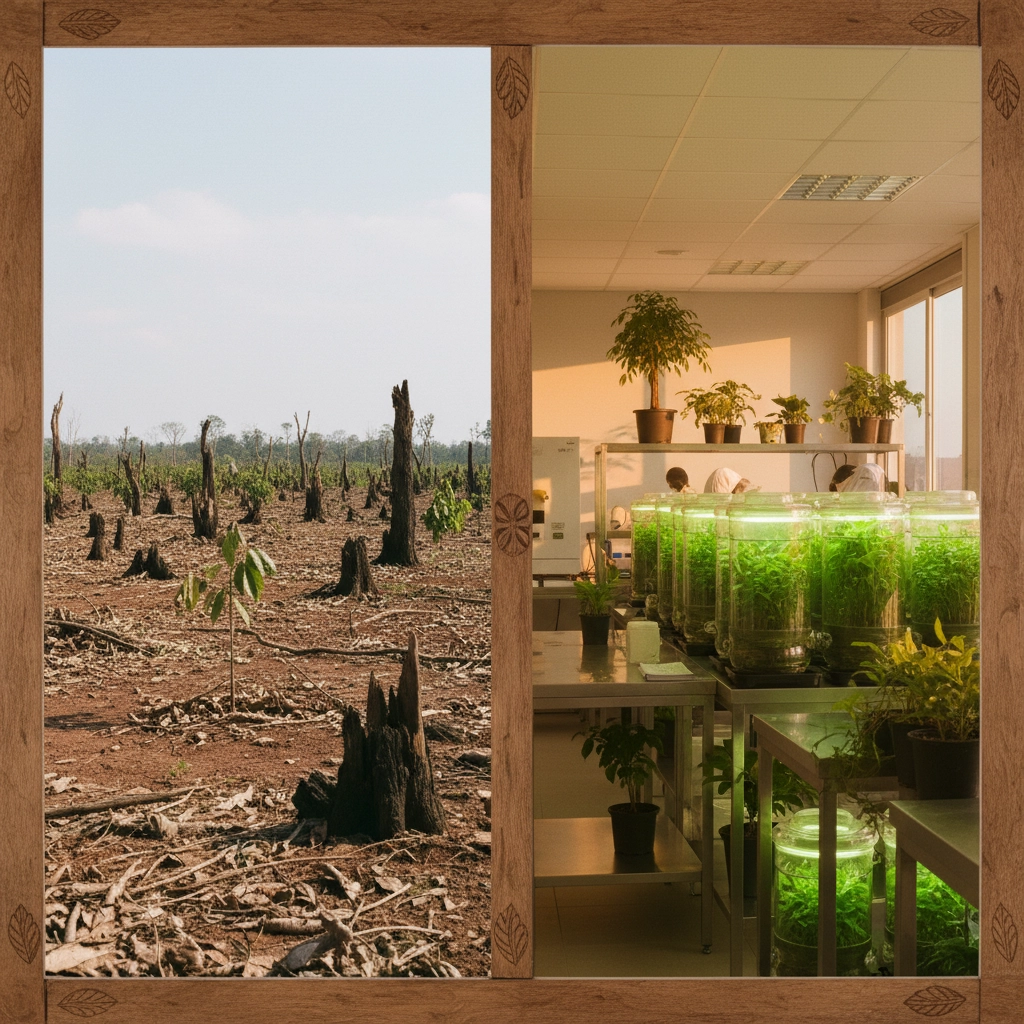
But here's what really gets my attention: climate change is actively threatening cocoa yields worldwide. Rising temperatures and unpredictable weather patterns are making it harder and harder for traditional cacao farms to thrive. Lab-grown chocolate could be our insurance policy against a future chocolate shortage!
Consider this: the chocolate industry is currently worth $138 billion and projected to exceed $200 billion by 2028. With numbers like these, there's massive economic incentive to find sustainable solutions. This isn't just feel-good environmentalism; it's smart business.
The Reality Check: What's Not Working Yet
Now, before we get too excited, let's talk about the elephant in the room. Lab-grown chocolate isn't perfect: not even close.
The Flavor Factor
Swiss researchers have successfully created lab-grown chocolate, but here's the kicker: it tastes different. We're talking less bitter, more fruity and sweet. For some people, that might sound amazing! But for traditionalists who love that rich, complex chocolate flavor we've come to expect? It's a tough sell.
The Price Tag Problem
Ready for some sticker shock? Current lab-grown chocolate costs around $20 per 100 grams compared to $3 for traditional chocolate. That's not a typo! Mass production could bring costs down dramatically, but we're not there yet.

Regulatory Roadblocks
Here's something most people don't know: lab-grown chocolate can't legally be called "chocolate" in most markets yet. Despite being scientifically accurate cocoa, it faces complex regulatory hurdles that could take years to navigate.
Consumer Acceptance
The million-dollar question: will people actually buy this stuff? The flavor difference alone is enough to make some chocolate lovers skeptical. And let's be honest: there's something romantically appealing about traditional bean-to-bar craftsmanship that might be hard to replicate in a lab setting.
What This Means for Craft Chocolate Makers
As someone passionate about artisan chocolate, I find myself in a fascinating position. Lab-grown chocolate isn't trying to eliminate traditional bean-to-bar craftsmanship: at least not according to the researchers developing it.
Researcher Tilo Hühn explicitly stated they have no intention of making traditional cocoa bean production "obsolete." Instead, lab-grown chocolate appears positioned as a specialized product category for consumers concerned about sustainability and ethical sourcing.
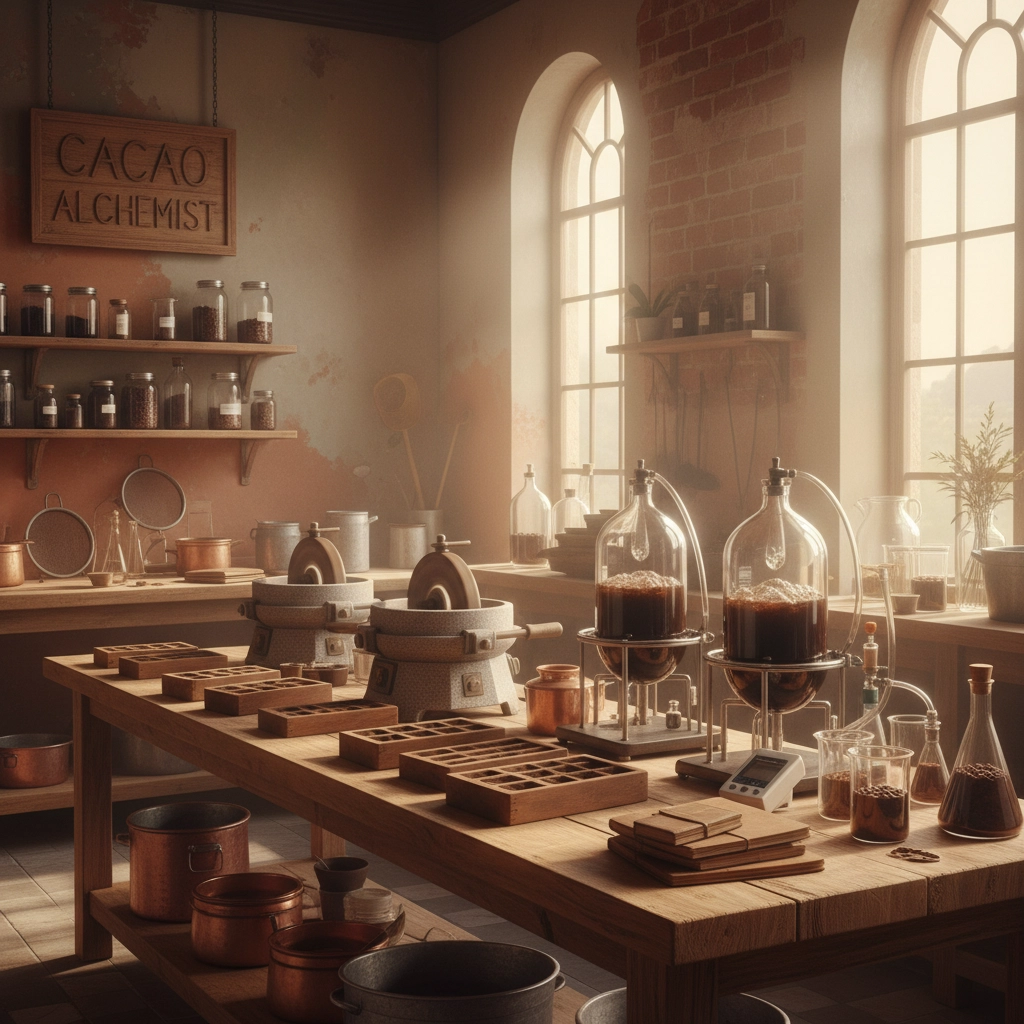
Think about it: we already have premium markets for organic, fair-trade, and single-origin chocolates. Lab-grown chocolate could simply be another category alongside these options, appealing to environmentally conscious consumers willing to pay premium prices.
For craft makers like us, this could actually open up new opportunities. Imagine creating hybrid products that combine traditional craftsmanship with lab-grown ingredients, or developing entirely new flavor profiles that aren't possible with conventional cocoa beans.
The Timeline: What to Expect
Let's get realistic about timing. We're looking at a 5-10 year transition to commercial viability, not an overnight revolution. The technology has moved from theoretical to practical: Swiss researchers have already produced functioning chocolate bars. But scaling production while maintaining quality and reducing costs to competitive levels? That's the real challenge ahead.
The companies leading this charge: California Cultured, Celleste Bio, and research teams at institutions like ZHAW: are making steady progress. But they're facing genuine engineering and market challenges that can't be solved with hype alone.
Our Take at Cocoa Craft
Here's my honest assessment: lab-grown chocolate is neither a gimmick nor an immediate threat to traditional chocolate making. It's an emerging food technology with real environmental and ethical merit, but it faces authentic challenges before becoming mainstream.
For chocolate lovers, this represents exciting possibilities rather than scary disruption. More options, more sustainability, more innovation: what's not to love?
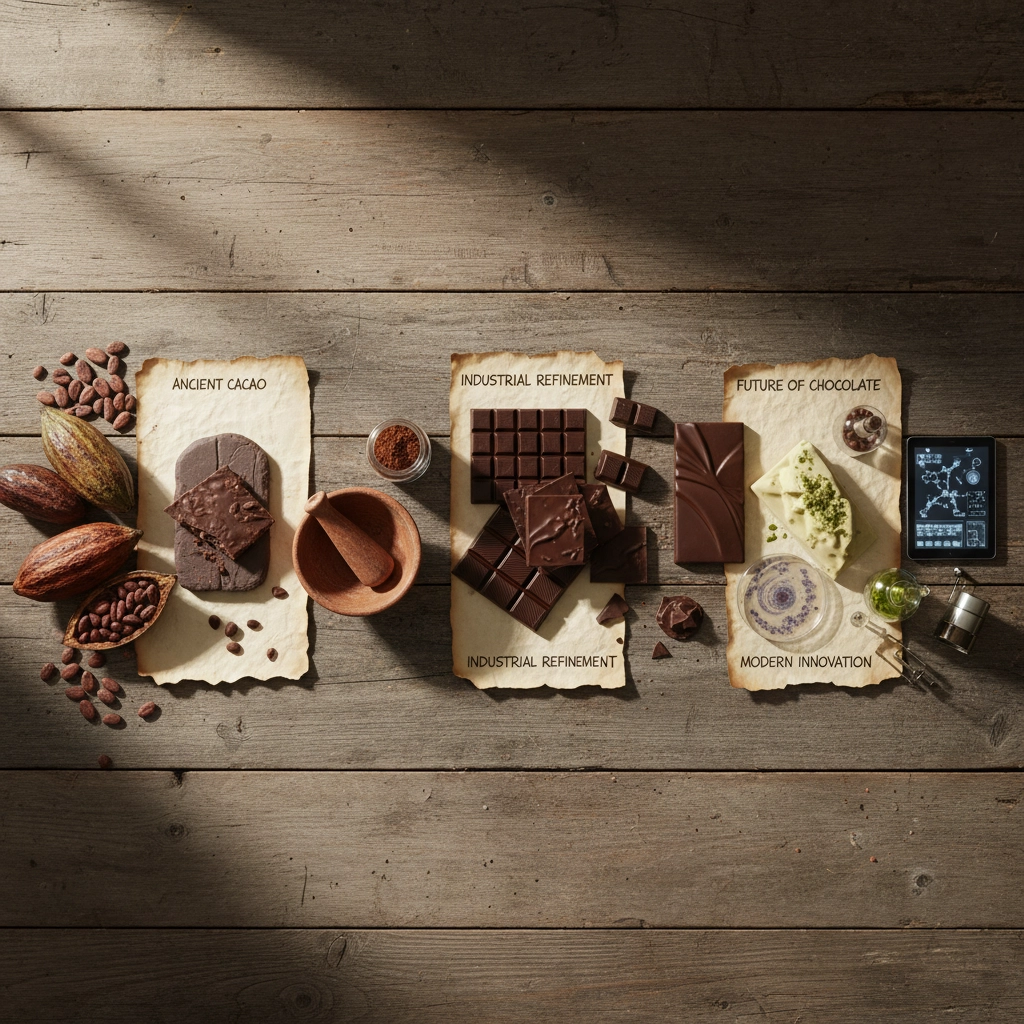
For craft chocolate makers, it's time to start paying attention without panicking. The techniques we've mastered in traditional chocolate making: flavor development, texture creation, recipe innovation: will be just as valuable in a world where lab-grown cocoa exists alongside traditional beans.
The Bottom Line
Lab-grown chocolate represents the future of sustainable confectionery, but it's going to coexist with traditional production rather than replace it entirely. The timeline is measured in years, not months, and there's plenty of room for both approaches to thrive.
The real question isn't whether lab-grown chocolate will succeed: it's how quickly the industry can solve the flavor, cost, and regulatory challenges while maintaining the artistry and passion that makes chocolate special.
What do you think? Are you excited about lab-grown chocolate possibilities, or are you team traditional-only? Let us know in the comments: we love hearing from fellow chocolate enthusiasts!
Ready to explore more chocolate innovations and traditional techniques? Check out our complete collection of artisan chocolates and discover what makes craft chocolate so extraordinary.
#LabGrownChocolate #SustainableChocolate #CraftChocolate #BeanToBar #ChocolateInnovation #FoodTech #EthicalChocolate #ChocolateFuture #SustainableFood #ChocolateLovers #ArtisanChocolate #ChocolateMaking #FoodInnovation #ClimateChange #ChocolateIndustry